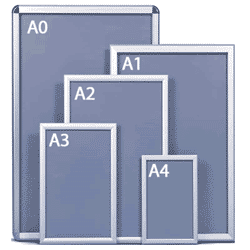


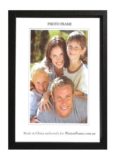

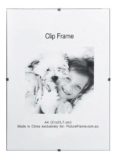
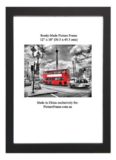

Internationally speaking, in the glazing picture frames, there are 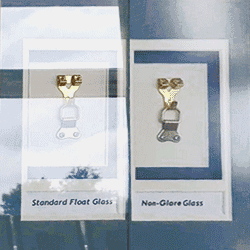 perhaps a dozen different types of glaze (meaning to cover a surface with a see-through or transparent cover) materials available, depending on where, or the various countries, where pictures frames are being made. Most are made of various kinds of glass and the rest being plastic, polyethylene boards, Perspex or just clear PVC sheeting. With regard to the glass glazing materials, the two major types of picture framing glass found in Australia, are clear float glass and non-reflective glass with the former being the commonest because it is the cheapest. Clear glass, however has two main disadvantages. Firstly it is quite reflective, and secondly ...