



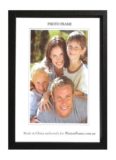

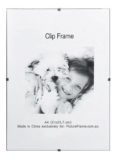
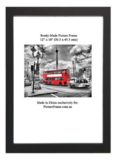

Internationally speaking, in the glazing picture frames, there are 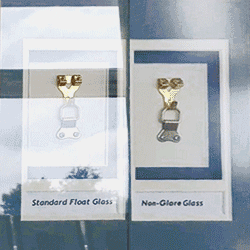 perhaps a dozen different types of glaze (meaning to cover a surface with a see-through or transparent cover) materials available, depending on where, or the various countries, where pictures frames are being made. Most are made of various kinds of glass and the rest being plastic, polyethylene boards, Perspex or just clear PVC sheeting. With regard to the glass glazing materials, the two major types of picture framing glass found in Australia, are clear float glass and non-reflective glass with the former being the commonest because it is the cheapest. Clear glass, however has two main disadvantages. Firstly it is quite reflective, and secondly it lets through more than half of the ambient light's ultra violet ( UV ) rays.
These powerful, invisible rays, capable of fading steel and bleaching stone, can easily and, relatively quickly, damage delicate papers, artwork and colour photographs which go "bluish" and become visibly faded even after only a few weeks. We will expand on this later.
Pros And Cons Of Clear Glass And Non-Reflective Glass
With regard to the first disadvantage, that of reflections, many Customers find this annoying, and know of, or ask for, glazing that either does not reflect at all or does so very little.
This type of glazing is called non-reflective ( although, yes, it still reflects somewhat ) glass and it is normal glass which has been specifically acid-washed and etched in industrial acid baths. This process creates matte, non-reflective (anti-glare) surfaces on one, or both sides, to scatter light.
It produces satin-smooth surfaces , reduces glare, producing a uniformly diffused, or "frosted" finish. semi-translucent appearance which effectively diminishes reflections. Also also known as diffused, non-glare or matte glass, this glaze is the next most common glazing material. It is more expensive than clear glass though, about 3 to 4 times the price of clear glass.
Unlike the clear glaze, it is not greatly reflective and does not reflect its surroundings. Unfortunately it proffers no greater preservation protection or conservation capabilities than ordinary clear glass and the problem of UV penetration, and subsequent fading, remains.
Additionally, non reflective glass has an inbuilt translucency loss of around 10-15%, depending on the manufacturer. This means it degrades visibility by 10-15%, and it is duller, or not as sharp, as clear float glass, as shown in the image below:
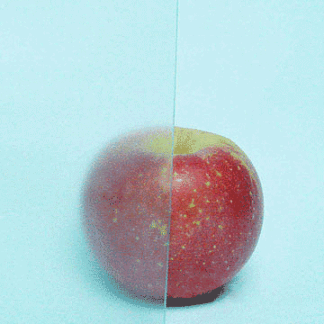
This may not matter a great deal when framing a child's Bambi print or Disney fun posters, but it does detract from the necessary and expected clarity for finer works of art such as etchings, drawings, and even family portraiture and photographs.
Largely because of this reason, if and when Customers inquire wanting this specific glass for their originals, watercolours, limited editions, works of art or photography we advise against using it.
Generally speaking, Customers tend to choose and a pay more when framing personal, family or sentimental items. However when making picture frames for inexpensive, decorative items such as prints and posters, they often opt for the cheaper, clear glass picture framing.
However, many Customers dislike to higher cost of custom picturing and instead opt to buy the cheaper, ready-made or off-the-shelf photo frames and picture frames. Some of these Customers inquire if these type of ready-made frames optionally come with non-reflective glass and the answer is always, no, these frames never do.
This is because such frames are manufactured for the lowest possible cost to be resold at the cheapest retail price. Therefore producing frames with expensive glass is not as inexpensive as it should be and this tends to make the end product too expensive.
Interestingly, in the U.S. where the picture framing market is about ( by population ) 10 times larger, the supply of picture framing glass products has a greater range and more choice for customers.
For instance some specialist U.S. picture framers stock and sell 'Low-Iron" non-reflective ( or matte, or non-glare, or diffused). While this costs more, its iron-free silica construction means a lower light absorption meaning a clearer image and less than normal-glass reflection.
Another specialized product is 'Laminated Glass" which is often marketed for for valuable, larger picture frames in busy or public areas. It's generally constructed in 3 layers, Glass + PVB film + glass. its light absorption and transmission is similar to clear, or regular glass.
And What About Plexiglass ?
This acrylic glaze, also sometimes called plastic glass, or PMMA, has several advantages over reflective and non-reflective glass. It is definitely lighter, nearly as transparent and fairly durable, though not as much as real glass in our experience.
While this specific glaze may well suit kindergartens, schools, hospitals, take-away stores and other high-traffic pedestrian areas, we do not for recommend it for the home, one's own office, or for fine art.
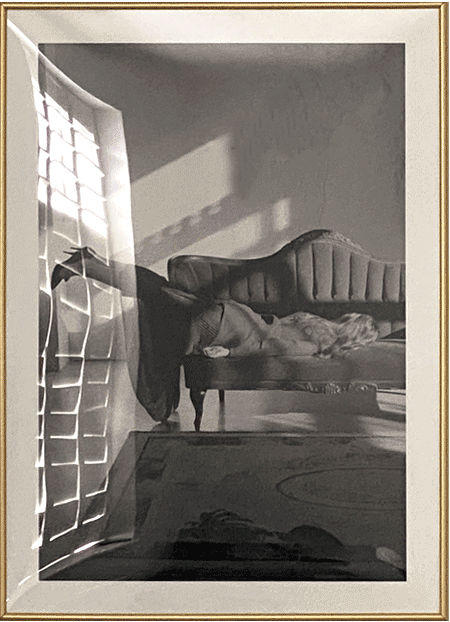
We find that, with the passing of time, even one year or two, this materials distorts, bending, becoming slightly convex or concave, or both and as exemplified in the photograph below.
Conserve Art and Prevent Fading With Correct Glazing
Another important glass product, also available in here Australia, but not stocked by all picture framers because of its cost, is "Conservation Glass".
As the name implies it's often used by conservators, galleries and museums for rare and valuable artwork where light absorption and ensuing fading must be minimized.
This glazing materials is often also marketed as Conservation Grade UV Protection picture framing glass. It's fairly expensive (about 6 times the price of clear glass) but it is also of excellent quality.
It has a nearly undetectable finish and stops about 99% of harmful internal and external ultra-violet light rays. Visit our Picture Framing Glazing page for more information on this topic.
In our own picture framing experience, the glazing materials that Customers tend to order can be identified as follows: 94% clear float glass, 5.5 % non-reflective glass and.05 % conservation glass. The lowest percentile, that of conservation glass which prevents fading, is interesting.
It tends to suggest that most Customers lend little importance to the dangers of incorrect glazing and a greater importance to the cost. We think that there is a need of more or better Customer education, and that fading ought to be taken more seriously as it is permanent, and irreversible.
Let's then revisit the second disadvantage of glazing picture frames with ordinary, clear glass which allows the fading of artwork , even in indirect, normal, everyday, room ambient light. The only way to protect from fading would be to keep all artwork somewhere in total darkness, which is hardly practical.
The only solution to prevent fading is to glaze the selected or desired artwork with Ultra-Violet protection glass. However is is also quite expensive, up to 8 times the price of clear glass and some Customers baulk at paying that much for specialized picture framing.
Ultimately, it is up to Customers, when properly informed or educated as to the destructive effects of fading, to decide what is of ephemeral value to them, and meriting an inexpensive picture frame and what is of enduring value and thus meriting better picture framing.
We would suggest that perhaps, children's baby posters or teenagers' Hollywood prints would fall in the former category and personal mementos, memorabilia, letters, photographs and fine art in the latter. Then again, it's just our opinion.
The Do's And Dont's Of Framing With Non-Reflective Glass
| List of Do's | List of Don'ts | ||
| ✓ | Do reflect on the true value of the art you hang on your walls has for you. If any be priceless or of irreplaceable memories, do consider adding Ultra-Violet protection glass for protection against fading. | ❌ | Don't buy cheap discount department store frames for those precious documents, degrees or photographs. The acidic materials these frames are made with will permanently acidify and irretrievably fade whatever it's put into them. |
| ✓ | Do consider non-reflective glass for your artwork if frequently working near or next to the frames. The reflections will certainly annoy and distract. It's one of the few good reasons to opt for non-glare glass. | ❌ | Don't glaze delicate etchings, embroideries, drawings or any fine art with non-reflective glass. The dullness and loss of clarity will disappoint. You will, most likely, instruct the picture framers to change the glass. |
| ✓ | Do periodically inspect your hung art from time to time. Even when suitably glazed, ventilation checks and insect infestation inspections are recommended. | ❌ | Don't hang any framed art, whether valuable or not, in direct sunlight. While Ultra-Violet protection glass may help somewhat, the art in the frame will still "cook" with time when thus exposed. |
My family or my parents anyway always got the family photos in photo frames with non-relefective glass. They got told by their picture frame that was better for the photos and that would stop fading. But you say that this isn’t so and that our photo frames matte glass doesn’t really stop fading. I checked out Wikipedia and they say pretty much the same thing. My mum says that the picture framer probably told us what she wanted to hear also because everybody she know got their wedding picture frames with that type of glass. And anyway the photos are all faded anyway!!!
The funny thing I noticed about some photos and other artwork inside picture frames for a long time is that these burn or etch their designs into the glass over a period of time. I buy and sell old photo frames, certificate frames, poster frames and other picture frames as a hobby and often recycle picture frames. When I open these frames up to change pictures, I often find that the old print or image has kind of burnt or etched its outline into the glass. Even after cleaning the glass you can still clearly see the old image. Anyone knows the cause of this?
The problem I have is that picture framers too often recommend expensive museum glass for all picture frames, all photo frames and all picture framing. But I have several cheap posters I bought online and their only function is to decorate my place. I don’t really care if the fade in 8, 10 or 15 years’ time. This is because I will have probably moved into another house with a different decor or anyway, fashion changes and I may want to put up other images on my walls. So why pay another extra $80 or $120 extra for museum glass? It doesn’t make sense to me. On the other hand, I do have my Army Officer’s Commission framed with museum glass because that’s valuable to me.
I’ll give you a tip. If your artwork isn’t some fine art or very valuable sentimental work and the framer suggests museum glass or art glass straight away, he’s more than likely trying to upsell. 90% – 95% percent of the time museum glass ins’t needed. It’s a luxury on top of a luxury (picture framing itself). I would walk away if he recommended museum glass for a cheap poster i wanted to frame. It’s just not needed. Diffused glass is more about the glass aesthetic and definitely has its place and can look really good in certain situations. That’s not to say museum glass doesn’t have its place either, it can be required for old documents, fine art etc.
[…] mistaken belief that plexiglass is somehow cheaper and more readily available glazing material than clear float glass. But we have never held that opinion. If anything, we have always found it more expensive, more […]
I’m very happy to discover this web site about picture frames and the glass used. I want to to thank you for your time due to this fantastic read!! I definitely appreciated every part of it and especially the helpful information on anti-glare glass. I also have you saved to favourites to look at new information on your site.