



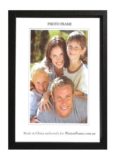

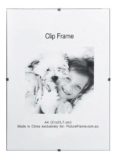
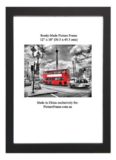

Internationally speaking, in the glazing picture frames, there are 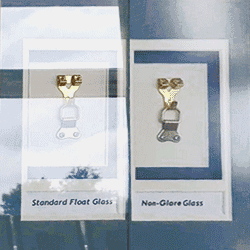 perhaps a dozen different types of glaze (meaning to cover a surface with a see-through or transparent cover) materials available, depending on where, or the various countries, where pictures frames are being made. Most are made of various kinds of glass and the rest being plastic, polyethylene boards, Perspex or just clear PVC sheeting. With regard to the glass glazing materials, the two major types of picture framing glass found in Australia, are clear float glass and non-reflective glass with the former being the commonest because it is the cheapest. Clear glass, however has two main disadvantages. Firstly it is quite reflective, and secondly ...
 if anyone did not know of them or about them. Certainly, we, as picture framers are well acquainted with these works of art, or at least, their facsimili. Bold, beautiful, elaborate, colourful, intricate and highly detailed, exuding, if not dripping, in and with timeless Muslim, Buddhist, Hindus, Muslim, Jain and Sikh traditions, folklore, fairy tales and storytelling . Alas, let's begin by the stating the obvious, Indian silk painting refers to paintings painted on silk, muslin, very thin cotton or cloth. The silk fabric, called Paat in eastern India, Pattu in southern India and Resham in northern part, is a natural, organic, fibre made from the mulberry silkworm ...
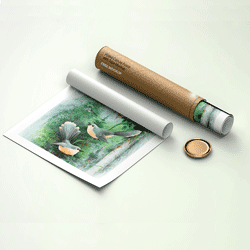 can be framed. The canvas can be unrolled, allowed to relax and either simply stretched, or
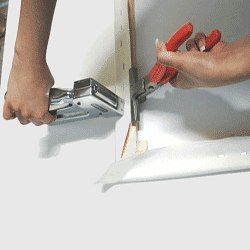 bars, a canvas margin of about 4 to 5 cm will be needed for sufficient gripping. The canvas is firmly gripped with with a pair of canvas pliers, pulled, held in position, and then stapled in place, as shown in the image here. If the stretcher bar is thicker, add this extra thickness to the above, recommended thickness. The margins of the canvas should have at least this width of all four sides of its sides. This goes for all canvases, whether gallery-wrapped or not. This margin width will allow for the wrapping of the canvas around and over the four sides of the stretcher frame bars. All for canvas margins must be pulled tightly and stapled evenly all ...
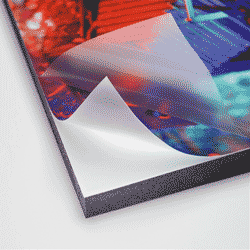 types of picture framing. And with that, we also did all methods of mounting. Broadly speaking this mounting process can be categorized as wet-mounting or dry-mounting, and in the latter category, self-adhesive foamboards, feature prominently. It's easy to know why. Properly used, these can offer clean, quick and easy permanent mounting in a matter of seconds. Mounting is more fully detailed and explained in our previous post "
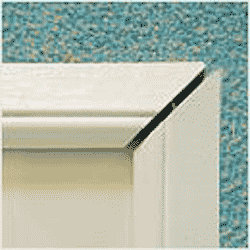 limitations. Picture frames repairs and re-glazing ( glazing is the covering of a surface with glass ) can be done by most picture framers provided the frame isn't too badly damaged or has just sprung open, as shown in the picture. Other repairs such as retouching of small scratches, replacing broken glass or decayed rear dust covers or broken cord, or string or hangers or nails or screws is also easily enough done. To repair or restore valuable, historical or antique picture frames which need restoration we recommend a qualified, professional art restorer, particularly when antique gilding or hand-carved mouldings ...
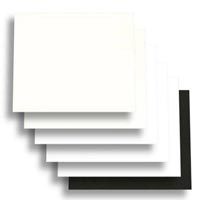
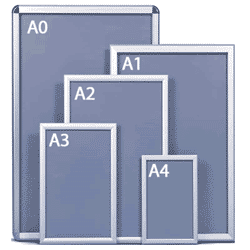
 high breakages claim rates which, however, gradually decreased as our packing knowledge increased with time. In addition, we also learned that the the largest size glass clip frame we can safely ship is (A3 or 29.7 x 42 cm) after which, for the larger sizes, we changed to plastic glass glazing. Nevertheless, and in essence, we pack all glass clip frames with three layers of protective materials which reduces our to damages claim rate to about .01% . In the quite rare occasions that the glazing in the clip frames, photo frames, certificate frames or clip frames does break, we either refund the cost of the broken items or ship ...
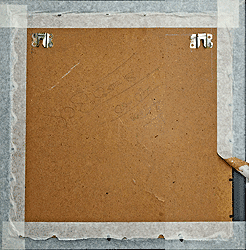 While at first sight that did not seem to be a great issue, we suspected ulterior problems. This is because, in our experience, expert, quality professional taping or hinging rarely fail. When this does happen, it's almost invariably due to the use of incorrect or inappropriate hinging or taping materials, methods, or both. This problem is exemplified by the image below. It shows art taped to a backing with at least four disparate self-adhesive tapes. One is a photograph corner, one a linen tape, one a tan masking tape and the last one, a double-sided tape application. All of them lack any